
Dental bonding is a popular cosmetic procedure that can repair chipped, cracked, or discolored teeth in a single office visit. For residents of West Chester, Pennsylvania, this treatment offers an affordable and efficient way to improve a smile without the commitment of more extensive options like veneers. Using a tooth-colored composite resin, dentists reshape and restore minor imperfections, often with results that last for years. Patients looking for a same-day solution to small cosmetic flaws frequently turn to dental bonding as a first choice.
What Is Dental Bonding?
Dental bonding uses a plastic resin material that is matched to the natural color of your teeth. The resin is sculpted onto the tooth surface to fix gaps, chips, cracks, and discoloration. Unlike porcelain veneers, which require custom fabrication in a lab, bonding is completed entirely in the dentist’s chair. It is considered one of the least expensive and simplest cosmetic modifications available, making it ideal for minor dental issues that do not require full coverage or major reshaping.
The Dental Bonding Procedure
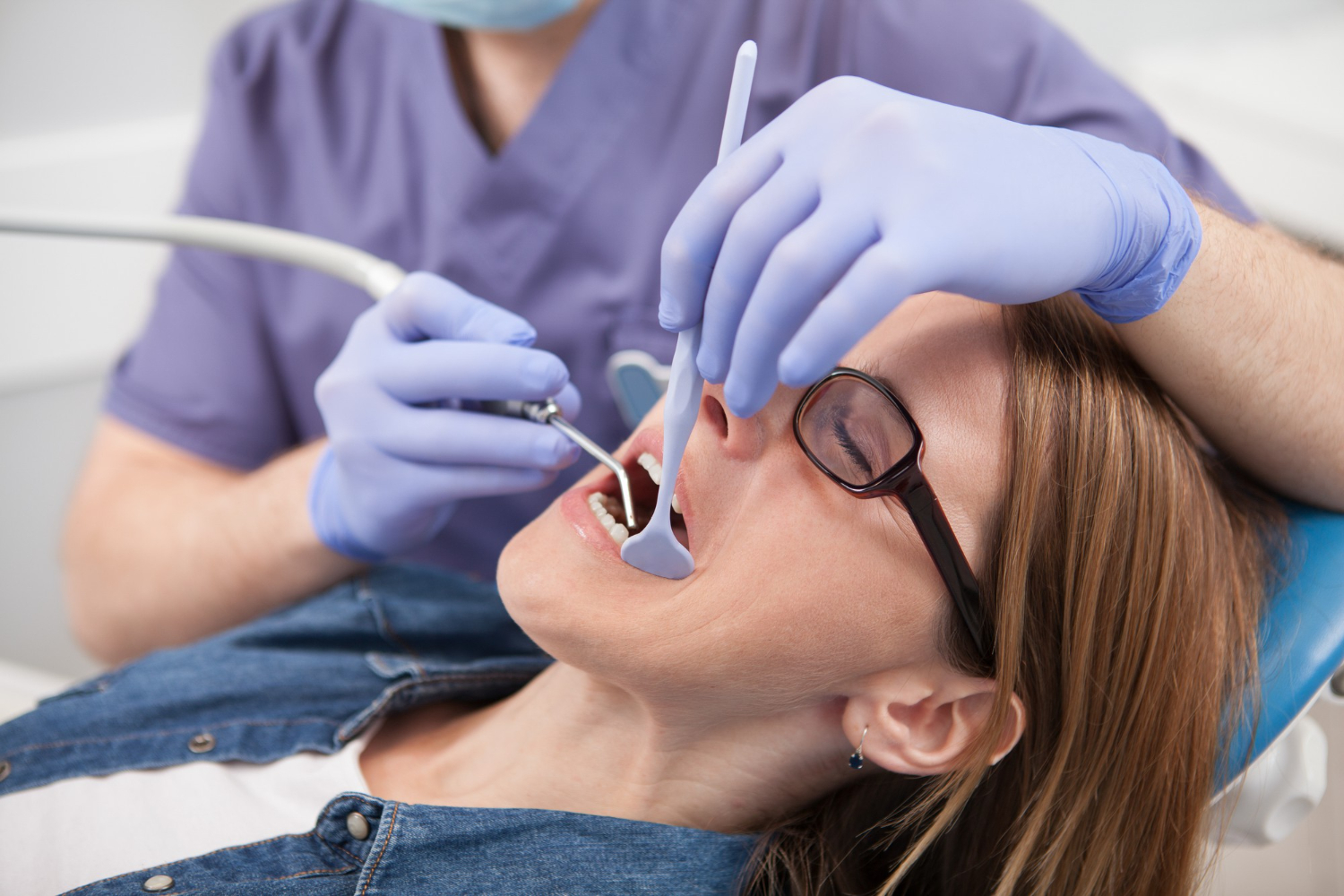
The process for dental bonding is straightforward and typically takes about 30 to 60 minutes per tooth. First, the dentist lightly etches the surface of the tooth to create a slight texture that helps the resin adhere. A bonding liquid is then applied to further prepare the enamel. After that, the dentist carefully sculpts the plastic resin onto the tooth, shaping it to match the natural contour. Once the resin is in place, a specialized curing light hardens it. Finally, the dentist trims away any excess material, smooths the surface, and polishes the bonded area so it blends seamlessly with the surrounding teeth.
What Dental Bonding Can Fix
Dental bonding is versatile enough to address several common cosmetic concerns. The procedure can effectively repair chipped or fractured teeth, fill in small gaps between teeth, cover discolored spots that do not respond to whitening, and even improve the appearance of slightly misarranged teeth. Because the resin can be sculpted into various shapes, dentists can also use bonding to lengthen short teeth or alter their shape for a more uniform smile. It is an excellent option for patients who want noticeable improvements without undergoing multiple appointments.
How Long Does Dental Bonding Last?
With proper care, dental bonding typically lasts three to five years before it needs repair or replacement. The composite resin material is not as strong as natural tooth enamel, so it is more likely to stain, chip, or break over time. Avoiding habits such as biting fingernails, chewing on pens, or eating very hard foods can help extend the life of bonded teeth. Regular dental checkups and good oral hygiene also play a role in maintaining the appearance and integrity of the bonded areas. When bonding does wear down, a dentist can easily touch it up or reapply the resin.
Dental Bonding vs. Veneers: Key Differences
Patients considering cosmetic improvements often compare bonding to porcelain veneers. The two treatments serve similar purposes but differ in application, cost, and longevity. The table below outlines the main differences based on typical clinical approaches.
| Factor | Dental Bonding | Porcelain Veneers |
|---|---|---|
| Material | Composite resin | Custom-designed porcelain |
| Number of appointments | Usually one visit | Typically two appointments |
| Cost | Generally less expensive | More expensive |
| Best uses | Minor chips, cracks, gaps, discoloration | Wider cosmetic corrections and alignment |
| Longevity | Three to five years | Longer with proper care |
Because bonding can be completed in a single appointment and costs less, it is often the preferred choice for patients seeking a quick cosmetic fix. Veneers, while more durable, require a greater time and financial investment.
Why Choose My Family Dentistry for Dental Bonding in West Chester?
Dental bonding is most successful when it is carefully planned and customized to your smile. At My Family Dentistry, every treatment begins with a thorough evaluation to understand your goals and determine whether dental bonding is the right option for your needs.
Using tooth-colored composite resin, the team focuses on creating natural-looking results that blend seamlessly with your surrounding teeth. Whether you’re repairing a chipped tooth, closing a small gap, or improving tooth shape, treatment is designed to enhance your smile while preserving as much natural tooth structure as possible.
Conclusion
Dental bonding is a simple and effective cosmetic treatment for improving chipped, cracked, discolored, or uneven teeth. Because it can often be completed in a single visit, it offers a convenient way to enhance your smile with minimal changes to your natural tooth structure. With good oral hygiene, healthy habits, and regular dental checkups, bonded teeth can maintain their appearance for years. If you’re considering dental bonding, scheduling a consultation with your dentist is the best way to determine whether it’s the right solution for your smile goals.
Frequently Asked Questions
Is dental bonding painful?
Dental bonding is typically a painless procedure because it is minimally invasive. Your dentist lightly prepares the tooth surface without removing a significant amount of enamel, so anesthesia is usually not needed. If bonding is used to repair a cracked tooth or treat decay, you may experience mild sensitivity. Your dentist will explain what to expect before treatment.
Can dental bonding be repaired if it chips?
Yes. If your dental bonding chips or wears down over time, your dentist can usually repair it by adding or reshaping the composite resin. These repairs are often quick and straightforward. Regular dental checkups can also help identify and address minor issues before they become more significant.
Does dental insurance cover dental bonding?
Dental insurance coverage for bonding varies depending on your plan and the reason for treatment. If bonding is performed to restore a damaged tooth or repair decay, your insurance may cover part of the cost. Cosmetic bonding may not be covered. Check with your insurance provider or your dental office to understand your benefits before treatment.
How much does dental bonding cost in West Chester?
The cost of dental bonding depends on factors such as the number of teeth being treated, the complexity of the procedure, and your individual treatment plan. During your consultation, your dentist will evaluate your needs, discuss your treatment options, and provide a personalized estimate. If you have dental insurance, your dental office can also help you determine whether any portion of the treatment may be covered.