

Dental crowns and bridges are essential components of restorative dentistry, designed to restore the function and aesthetics of damaged or missing teeth. This guide will provide a thorough understanding of these dental solutions, including their definitions, types, procedures, benefits, and aftercare. Many patients in West Chester seek these treatments to improve their oral health and regain confidence in their smiles. By exploring the intricacies of dental crowns and bridges, readers will gain valuable insights into how these treatments can address their specific dental needs. The following sections will cover the definitions of crowns and bridges, the various types available, the procedures involved, the benefits they offer, and essential aftercare tips.
In West Chester, dental crowns and bridges are vital for restoring oral health. Crowns are used to cover damaged teeth, while bridges replace missing teeth by anchoring to adjacent teeth. Understanding these treatments helps patients make informed decisions about their dental care. M.Y. Family Dentistry offers comprehensive services, ensuring that patients receive personalized care Specialized to their needs.
Dental crowns are custom-made caps placed over damaged or decayed teeth to restore their shape, size, strength, and appearance. They are commonly used when a tooth is severely worn down or has undergone root canal treatment. Crowns can be made from various materials, including porcelain, metal, or a combination of both, providing both functional and aesthetic benefits.
Dental bridges are prosthetic devices used to replace one or more missing teeth. They consist of two or more crowns on either side of the gap, with a false tooth (pontic) in between. Bridges help maintain the shape of the face, restore the ability to chew, and prevent remaining teeth from shifting. They can be anchored to natural teeth or dental implants, depending on the patient’s needs.
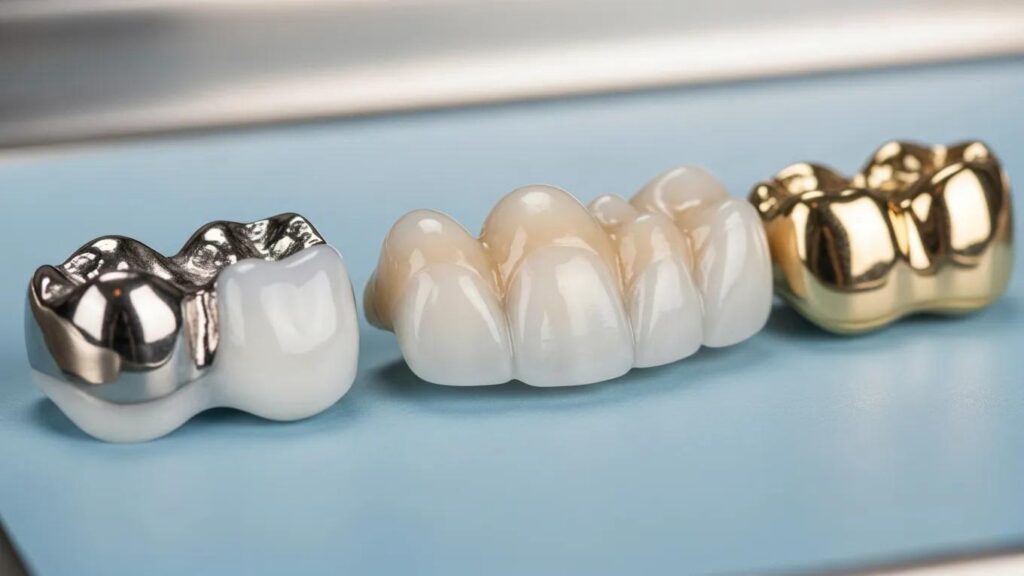
There are several types of dental crowns available, each with its unique advantages and disadvantages. The most common types include:
Dental bridges also come in various types, including:
The process of getting dental crowns and bridges typically involves several steps. Initially, a thorough evaluation is conducted to determine the best treatment plan. This is followed by impressions and preparation of the affected teeth. Finally, the crowns or bridges are fitted and cemented in place, ensuring a secure and comfortable fit.
Dental crowns and bridges offer numerous benefits, including:
For those seeking high-quality dental care, M.Y. Family Dentistry in West Chester specializes in restorative treatments, ensuring that patients receive the best possible outcomes.
Proper aftercare is crucial for the longevity of dental crowns and bridges. Patients should follow these guidelines:
Dental crowns restore damaged teeth by providing a protective cover that reinforces the tooth structure. They are particularly beneficial for teeth that have undergone significant decay or trauma. By encasing the tooth, crowns help prevent further damage and maintain the tooth’s functionality. This restoration not only enhances the tooth’s appearance but also contributes to overall oral health.
| Material | Advantages | Disadvantages |
|---|---|---|
| Porcelain | Aesthetic appeal, natural look | Less durable than metal |
| Metal | High strength, long-lasting | Less natural appearance |
| Porcelain-fused-to-metal | Good aesthetics and strength | Can be more expensive |
This comparison highlights the importance of selecting the right material based on individual needs and preferences.
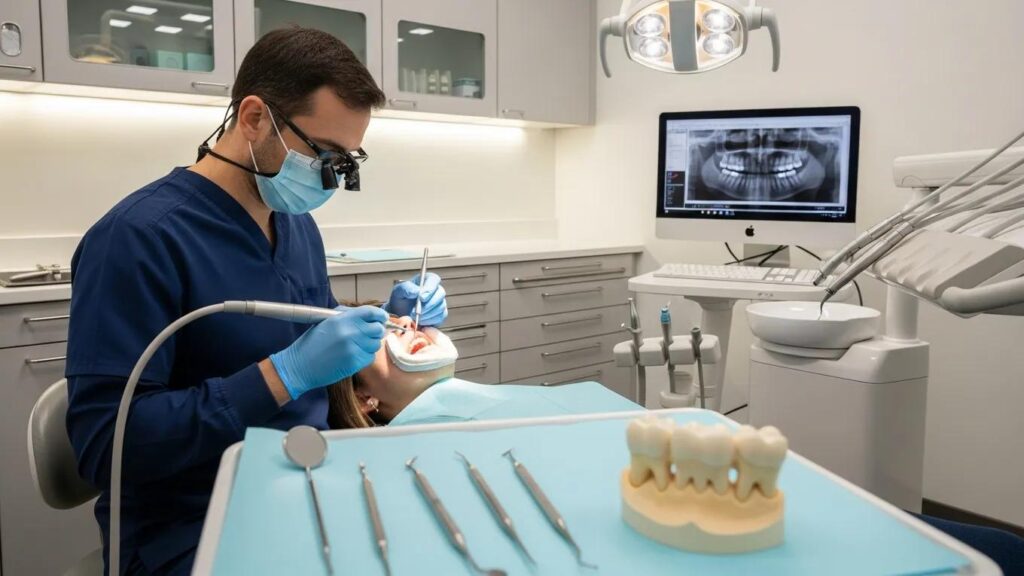
The dental bridge procedure involves several key steps to ensure a successful outcome. Initially, the dentist evaluates the patient’s oral health and takes impressions of the teeth. Next, the adjacent teeth are prepared by removing a small amount of enamel to accommodate the crowns. Afterward, a temporary bridge may be placed while the permanent one is being fabricated. Finally, the permanent bridge is fitted and cemented in place, restoring the patient’s smile.
When considering tooth replacement options, patients often weigh the benefits of dental bridges against dental implants. Bridges are typically less invasive and can be completed in a shorter timeframe, while implants offer a more permanent solution that mimics the natural tooth root. The choice between the two depends on individual circumstances, including oral health, budget, and personal preferences.
The cost of dental crowns and bridges can vary based on several factors, including the type of material used and the complexity of the procedure. Patients should consult with their dental provider to understand the specific costs associated with their treatment. Additionally, many insurance plans offer coverage for restorative procedures, making it essential to check with the provider regarding benefits and payment options.
Several factors can influence the cost of dental crowns in West Chester, including:
Patients should explore their insurance coverage for dental crowns and bridges, as many plans include benefits for restorative procedures. Additionally, S offers various payment options to accommodate different budgets, ensuring that patients can access the care they need without financial strain.
To ensure the longevity of dental crowns and bridges, patients should adhere to proper care practices. This includes maintaining excellent oral hygiene, attending regular dental check-ups, and being mindful of dietary choices. By following these guidelines, patients can maximize the lifespan of their restorations and maintain optimal oral health.
While dental crowns and bridges are generally safe, some risks may arise, including sensitivity, decay around the restoration, or damage to the crown or bridge. To minimize these risks, patients should maintain good oral hygiene, follow aftercare instructions, and communicate any concerns with their dentist promptly. Regular check-ups can also help identify potential issues before they become significant problems.