Affordable Dental Implants in West Chester, PA: What to Expect for Cost, Procedure, and Recovery
Missing teeth do more than change your smile. They change how you eat, speak, and carry yourself every day. For residents of West Chester, Pennsylvania, dental implants have become the most dependable way to restore a complete, natural-looking smile without the slipping, sore spots, or daily hassle that come with removable dentures and bridges.
This guide breaks down what dental implants actually cost in West Chester, walks through the procedure from first consultation to final crown, and covers exactly what recovery looks like week by week. Whether you are comparing providers, weighing financing options, or simply want to understand the process before you commit, you will find the straightforward answers Dr. Mina Yacoub and Dr. Robert Schwan share with every patient who walks through our doors.
Why Dental Implants Outperform Other Tooth Replacement Options
Bridges and dentures have helped patients for generations, but both come with trade-offs that implants were designed to solve. A bridge requires grinding down healthy neighboring teeth to anchor a replacement, which can shorten the life of teeth that were otherwise fine. Removable dentures rest on the gums rather than the bone, so they can shift while eating or speaking, and they do nothing to stop the gradual bone loss that follows tooth loss.
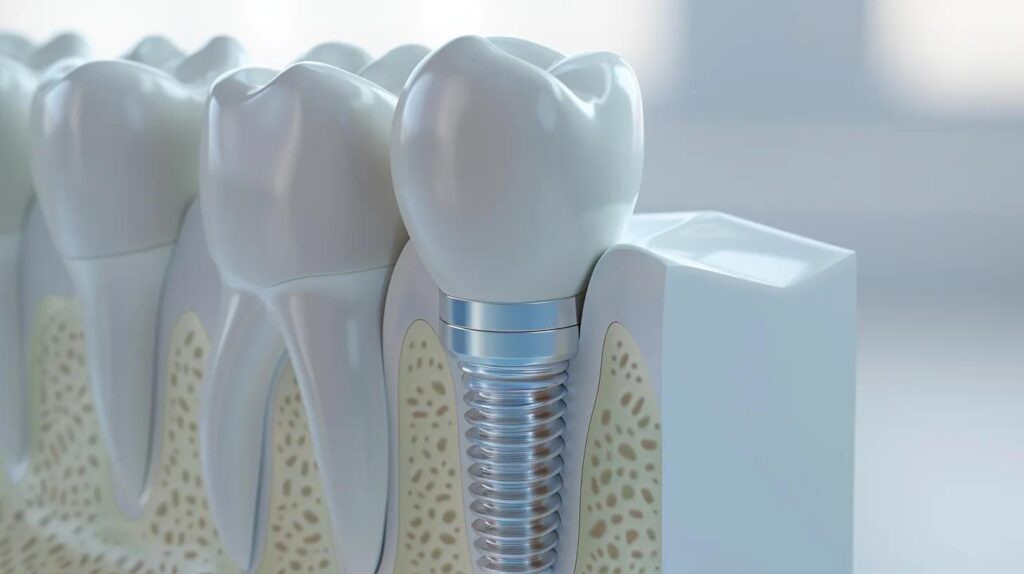
A dental implant replaces the tooth root itself, not just the visible crown. Because the titanium post fuses directly with your jawbone, it stimulates bone the same way a natural root would, preserving your facial structure and preventing the sunken look that often comes with long-term denture wear. The result is a restoration that looks, feels, and functions like a natural tooth, with no clicking, no adhesive, and no diet restrictions once healing is complete.
How Much Do Dental Implants Cost in West Chester, PA?
What Makes Up the Cost of a Single Implant
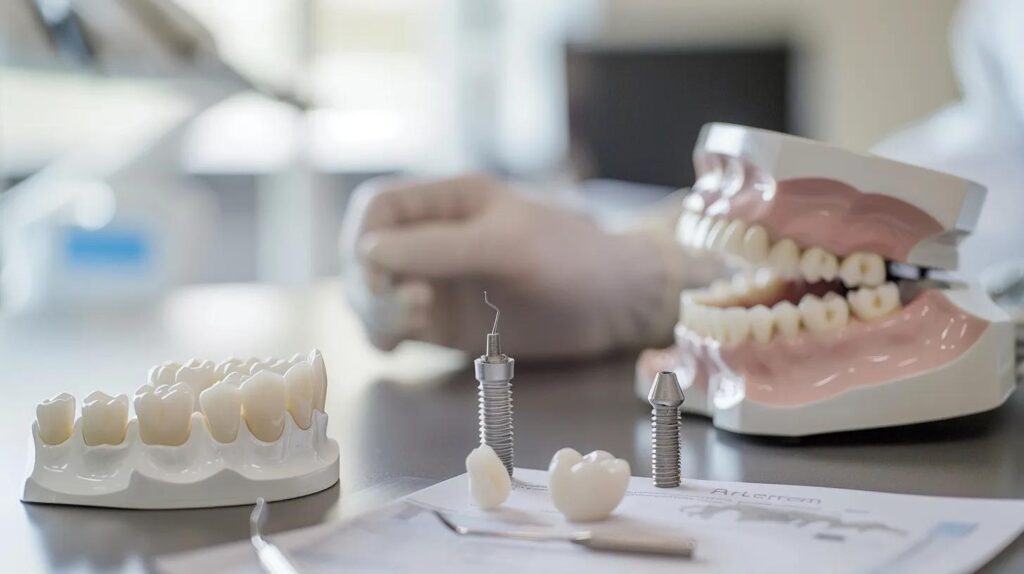
Dental implant pricing varies more than most patients expect, and for good reason. A single implant is not one flat fee but three components working together to rebuild your tooth from the root up.
- Implant post. The titanium anchor is placed directly into the jawbone, where it fuses with bone to act as a replacement tooth root.
- Abutment. The connector piece that links the implant post to your new tooth.
- Crown. The visible, custom-made tooth that completes the restoration and matches your natural smile.
Single Implant vs. Full Arch Pricing
Full arch solutions, such as All-On-X dental implants, cost more upfront because they replace an entire row of teeth using just four to six implants. Even so, they often work out to be more economical per tooth than restoring each one individually, since you are not paying for a full post, abutment, and crown sequence for every missing tooth.
Getting an Accurate, Personalized Estimate
The only way to know your exact cost is through a consultation. Bone density, the number of teeth involved, and whether you need preparatory work like a bone graft all factor into the final number. Our team provides a clear, itemized estimate before any treatment begins, so there are no surprises once you are in the chair.
What Affects the Price of Your Dental Implant?
Several variables shape the final cost of treatment, and understanding them helps you compare quotes accurately.
- Implant material. Titanium remains the most widely used and best researched option, prized for its strength and proven track record of fusing with bone. Zirconia, a tooth colored ceramic alternative, costs more but appeals to patients who want a metal-free restoration or have thinner gum tissue.
- Bone grafting and site preparation. Patients who have lost bone density from years without a tooth, or from gum disease, may need a bone graft before an implant can be placed safely. This adds to both the cost and the treatment timeline.
- Provider experience and technology. A dentist with advanced training and tools like 3D CBCT imaging can often place implants with greater precision, which protects your investment over the long run.
- Number of implants needed. Replacing one tooth costs less than restoring several, though multi-implant cases sometimes lower the price per tooth.
Ways to Make Dental Implants More Affordable
Cost should never be the reason you live with a gap in your smile. Several paths can bring dental implants within reach.
- Dental insurance. Most plans treat implants as a major procedure, and many will cover a portion of the cost once you have met your deductible. It is worth a call to your provider before your consultation.
- Cherry Financing. Our practice partners with Cherry Financing, which lets you finance care with no money down, no upfront costs, and no prepayment penalties. Plans can stretch from a few months to several years, and approval typically takes only minutes.
- In-house payment plans. For patients without insurance or who prefer not to use third-party financing, our team can structure a payment plan that fits your monthly budget. Ask about this option, along with our full range of financing solutions, during your consultation.
Which Type of Dental Implant Is Right for You?
Not every patient needs the same solution, and part of getting good value from treatment is choosing the right implant for your situation. Endosteal implants are the standard, most-used implant type, placed directly into the jawbone where they fuse to the bone through a process called ‘osseointegration’. They sit below the gumline for a natural appearance, hold up for decades with proper care, and suit most adults who have adequate bone density.
For patients who want a more conservative option, mini dental implants are roughly half the diameter of a traditional implant. They involve a less invasive placement and a lower cost, which makes them appealing for those on a tighter budget or with limited bone volume who want to avoid grafting. They are frequently used to stabilize a lower denture.
For patients missing most or all of their teeth in a jaw, full arch implants such as All-On-X anchor an entire arch of replacement teeth to just four to six implants, often restoring a full smile with same-day dental implants in a single visit. Our implant dentistry team evaluates your jawbone, gum health, and goals before recommending which approach gives you the strongest, most natural result for your budget.
What Happens During the Dental Implant Procedure?
Knowing what to expect removes most of the anxiety around implant surgery.
- Consultation and planning. Your first visit includes a full oral exam and digital imaging to assess bone density and map out implant placement with precision.
- Placement day. Local anesthesia keeps you comfortable while the dentist makes a small incision in the gum to access the jawbone, then places the implant post. Most single-implant procedures take one to two hours, with sedation options available for patients who feel anxious about dental work.
- Osseointegration. Over the following weeks to months, the implant fuses with the surrounding bone, a biological process that gives the finished restoration its strength and longevity. Healing time varies by patient. Younger patients with strong bone density often heal faster, while those who need bone grafting may need additional months before the implant is ready to support a crown.
- Final restoration. Once osseointegration is complete, an abutment is attached, and your custom crown is placed, completing a result that looks and functions like a natural tooth.
What to Expect During Recovery
Recovery from implant surgery is far more manageable than most patients anticipate.
The First One to Two Weeks
Mild swelling, tenderness, and some bruising around the surgical site are normal and typically fade within ten to fourteen days. Over-the-counter pain relief is usually sufficient, though your dentist may recommend something stronger for the first few days if needed.
What to Avoid
Steer clear of strenuous exercise, smoking, and hard or crunchy foods while the surgical site heals. A soft food diet for the first week protects the implant and speeds healing.
Aftercare and Oral Hygiene
Gentle brushing and flossing around the implant site, along with a saltwater rinse as directed, help prevent infection while the tissue heals.
Follow-Up Visits
Regular check-ins let your dentist confirm the implant is integrating properly before the final crown is placed. Most patients return to normal daily activities within a few days and resume their usual diet within a couple of months, once the implant has fully fused with the jawbone.
Ready for a Confident New Smile?
A confident smile is one of the best long-term investments you can make in your health and appearance. If you are ready to explore whether dental implants are right for you, our team is here to walk you through cost, treatment planning, and financing every step of the way. Schedule a consultation today and find out what a complete, natural smile feels like again.
Quick Answers to Common Questions
Is the implant procedure painful?
No. Local anaesthesia and sedation, if you prefer it, keep you comfortable during placement. Most patients describe the days afterward as having mild discomfort rather than pain, similar to a tooth extraction.
How long do dental implants last?
With consistent brushing, flossing, and regular dental visits, the titanium post can last a lifetime. The crown on top typically lasts fifteen to twenty-five years before it may need replacement due to normal wear.
Am I a candidate if I have low bone density?
Often, yes. A bone graft can rebuild the foundation needed for a stable implant, and mini dental implants offer another path for patients who want to avoid grafting altogether.